
How to Care for Wooden Furniture: 15 Expert Tips to Keep It Beautiful for Years
Your dining table that you have been waiting to buy will have no wear and tear at all after just two years. This is exactly what will happen with your wood furniture as no one took care of it before. Taking care of the wood furniture is not as difficult as it seems to be and all that is needed is just following a few rules.
These are some tips that can help you take care of your wood furniture and preserve its value and aesthetic looks.
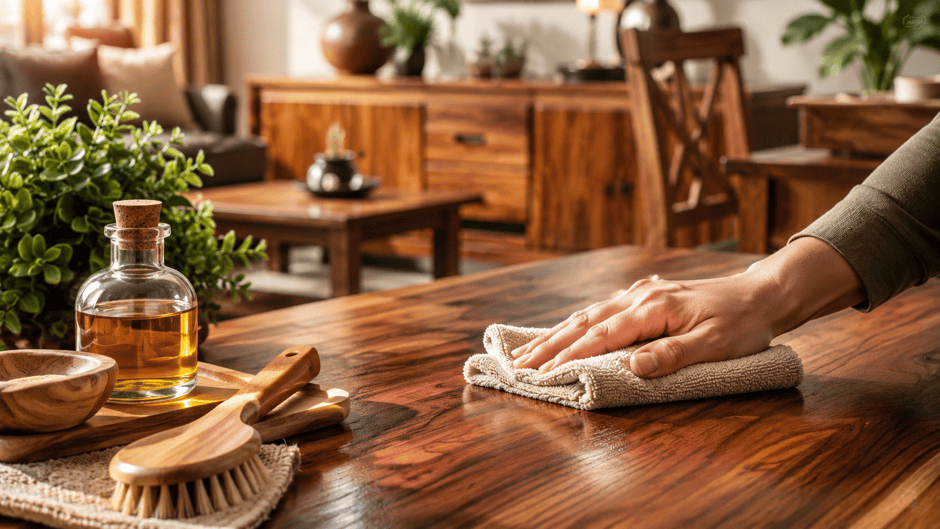
Why Proper Wooden Furniture Care Matters
The reality of the matter is that even if the wood is utilized in the production of furniture, it is still alive and will continue to expand and contract even after removal from the workshop. In cases where there is a lack of proper care, things like moisture, sun exposure, and physical abuse are bound to cause the deterioration of the finish and joint weakening.
Maintenance of wooden furniture does not necessarily entail excessive cleaning. The key thing is protecting your wooden furniture against a few elements that can damage them.
Know Your Wood Before You Start
Different kinds of wood are unique in nature, meaning that there should be different treatment methods for solid wood furniture depending on the kind of wood used.
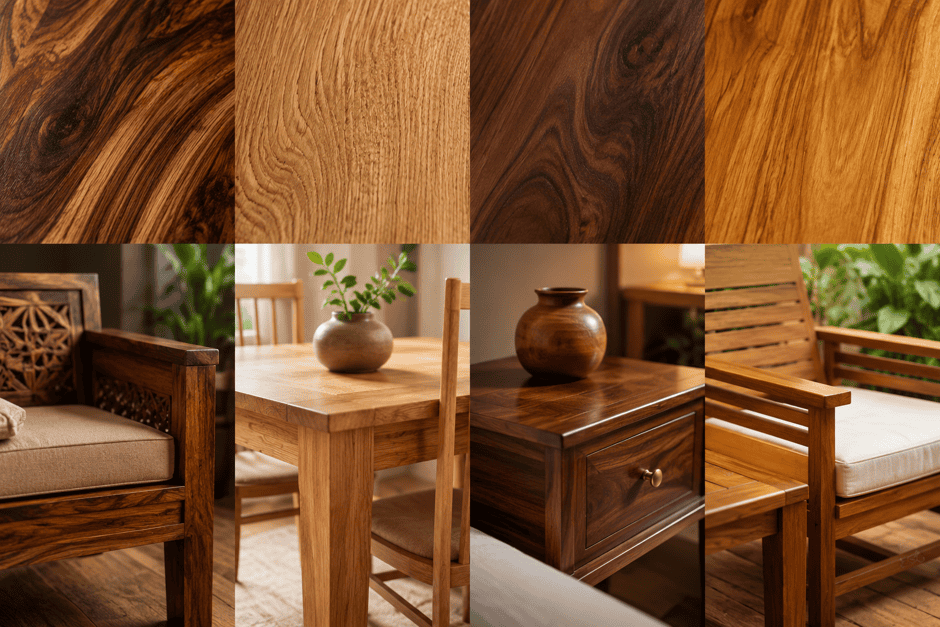
- Sheesham wood is naturally dense and moisture resistant, but regular oiling of sheesham furniture should be done to keep it from drying up.
- Oak wood is naturally strong, durable, and robust, but it can become dusty due to the openness of oak grains if not adequately sealed.
- Unlike other light-colored woods, walnut wood will fade quickly in the presence of direct sunlight due to its dark shade.
- Teak wood naturally resists water due to the presence of natural oils within it, making it the best wood for furniture in areas with humid climatic conditions.
It is equally important to consider the finish of the furniture when picking the best treatment method.
15 Expert Tips to Care for Wooden Furniture
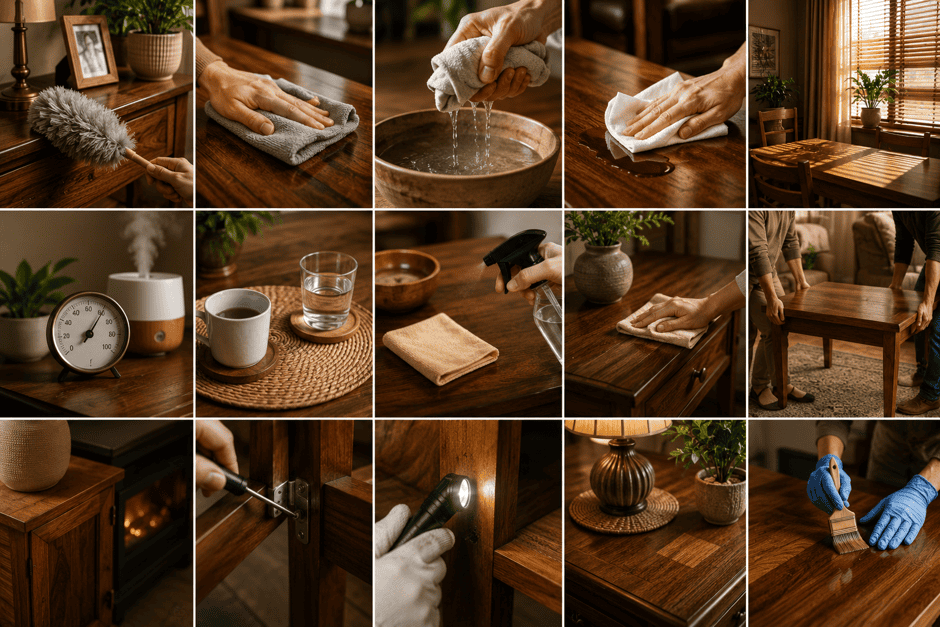
1. Dust Frequently
Dust has small abrasive particles in it that will gradually scrape away at the finish. A quick once over every day or week will keep dust from building up.
2. Utilize Microfiber Cloths
Microfiber cloths absorb dust while regular cotton cloths just move it around. Using microfiber cloth is better for the finish as it doesn’t leave lint behind.
3. Do Not Over Wet the Surface
Wood swells and warps with water and creates white circles. Make sure to wring out clothes before cleaning wooden surfaces.
4. Clean Up Spills Quickly
Leaving liquids such as coffee, alcohol, or wine on wooden surfaces for even a minute can lead to stains or damage to the finish.
5. Protect from Sunlight
UV rays cause fading and drying of the wood due to natural oils in it. Curtains or blinds can help protect from direct sunlight.
6. Maintain Proper Indoor Humidity Levels
Humid weather causes wood to expand while dry air makes it contract, creating stress on the joints. Maintaining humidity levels from 40 to 50 percent indoors keeps furniture stable all year around.
7. Use Coasters and Placemats
Hot cups, wet glasses and plates can create imperfections on the unprotected surface. Using coasters and placemats is a cheap way to keep your furniture safe from harm.
8. Do Not Use Harsh Chemicals
Products containing ammonia or regular household cleaning products can affect the protective layer and natural oils in the wood. Use products that are designed for wood surfaces.
9. Polish Occasionally
Polishing wood furniture makes the furniture look bright and improves its health, but frequent polishing may lead to build-up. Furniture should only be polished a few times a year.
10. Move Furniture by Lifting
Furniture joints become strained and legs break when they are dragged across the floor. It is important to always move furniture by lifting it up.
11. Protect from Heat
Radiators, heaters, and fires dry the furniture quickly, resulting in cracks. Furniture should always be kept some distance away from sources of heat.
12. Check Furniture Joints Regularly
Loosened joints can be easily fixed while they do not cause much harm to the structure. Wobbling checks should be conducted a few times a year.
13. Protect from Termites
Termite attacks tend to go unnoticed until they are quite bad. Inspection of your wooden pieces and treatments against termites will save your valuable investment.
14. Switch Your Decorative Pieces
Leaving a decorative item such as a lamp or a vase in the same position for several years can cause discoloration in the surrounding area.
15. Have Your Wood Finishes Professionally Redone Every Several Years
If you have antiques or furniture that is used quite often, then getting it professionally refinished every couple of years will protect the wood.
Common Mistakes That Damage Wooden Furniture
The good-willed owners of furniture might do these things to their furniture:
- Applying furniture polish as a cleaning solution. This polish is used for making your furniture bright and, using it often, you create a film of it.
- Moving the furniture close to the windows and vents. This causes simultaneous exposure of the wood furniture to the sunlight and changes in temperature.
- Ignoring manufacturer instructions about care of the furniture. There are various finishes and care recommendations for each and they do not work for everybody.
- Moving rough cleaning pads. This leads to the scratchiness of even very strong wood like oak or teak.
How Often Should You Clean and Polish Wooden Furniture?
| Task | Recommended Frequency |
| Dusting | 1–2 times per week |
| Deep cleaning | Once a month |
| Polishing | Every 2–3 months |
| Joint and stability check | Every 3–6 months |
| Professional maintenance | Every 2–3 years |
Conclusion
The maintenance of the wooden furniture does not require expensive and complex measures at all. Regular dusting, spill protection, control over the moisture content of the air, and occasional polishing will be enough to preserve its attractiveness for many years. Information about the kind of wood used to make the furniture – whether it is sheesham, oak, walnut, or teak – will be very useful. Consistency in maintenance will be the main distinguishing feature of furniture that lasts long and furniture that requires replacement sooner rather than later.
Frequently Asked Questions
How do I clean wooden furniture naturally?
A soft cloth dampened with mild soap and water, followed by immediate drying, cleans most wooden furniture safely without stripping the finish.
How often should you polish wooden furniture?
Most wooden furniture only needs polishing every two to three months to avoid product buildup.
How can I protect wooden furniture from scratches?
Use felt pads under decorative items, lift rather than drag furniture, and place rugs under chair legs in high-traffic areas.
How do I remove stains from wooden furniture?
Light stains often lift with a baking soda and water paste applied gently, while deeper stains may need a wood-safe stain remover or professional help.
Does wooden furniture need different care in summer and winter?
Yes. Summer humidity requires ventilation and moisture control, while winter’s dry indoor heat calls for occasional oiling to prevent cracking.
Is it safe to use vinegar on wooden furniture?
Diluted vinegar can clean some finishes, but it should be tested on a hidden spot first, since it may dull certain lacquered surfaces.